

Preserving
Black Heritage
Historical Resources
Explore our curated collection of historically significant Black collectibles, featuring carefully researched and reviewed educational content.
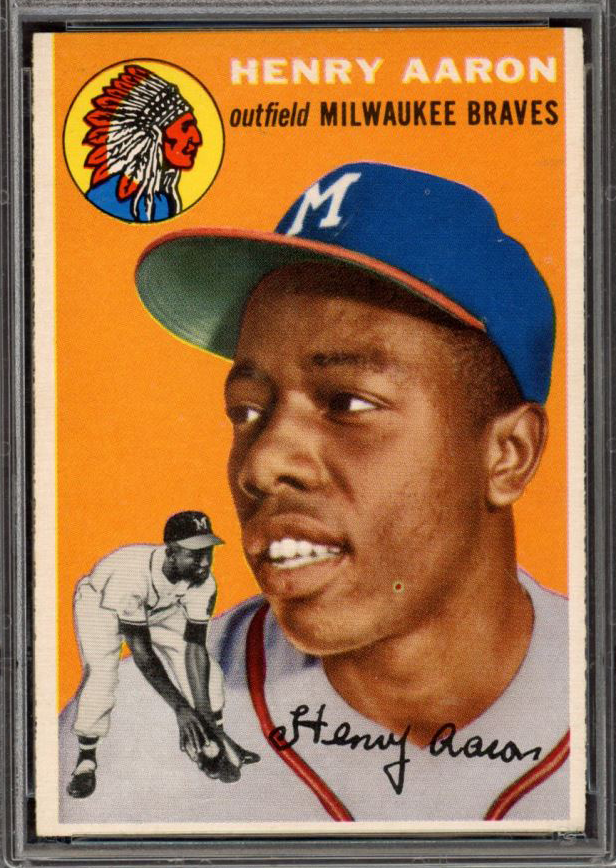
1954 Topps #128 Hank Aaron Rookie Card
Aaron’s first Topps card greets collectors with a colorful horizontal format that stands out among its peers. It features a smiling portrait alongside an action image of Aaron at bat, reflecting both his positivity and unwavering focus. The 1954 Topps set was innovative for its bold colors and dynamic layouts, with the Aaron rookie being one of the most celebrated in the lineup.
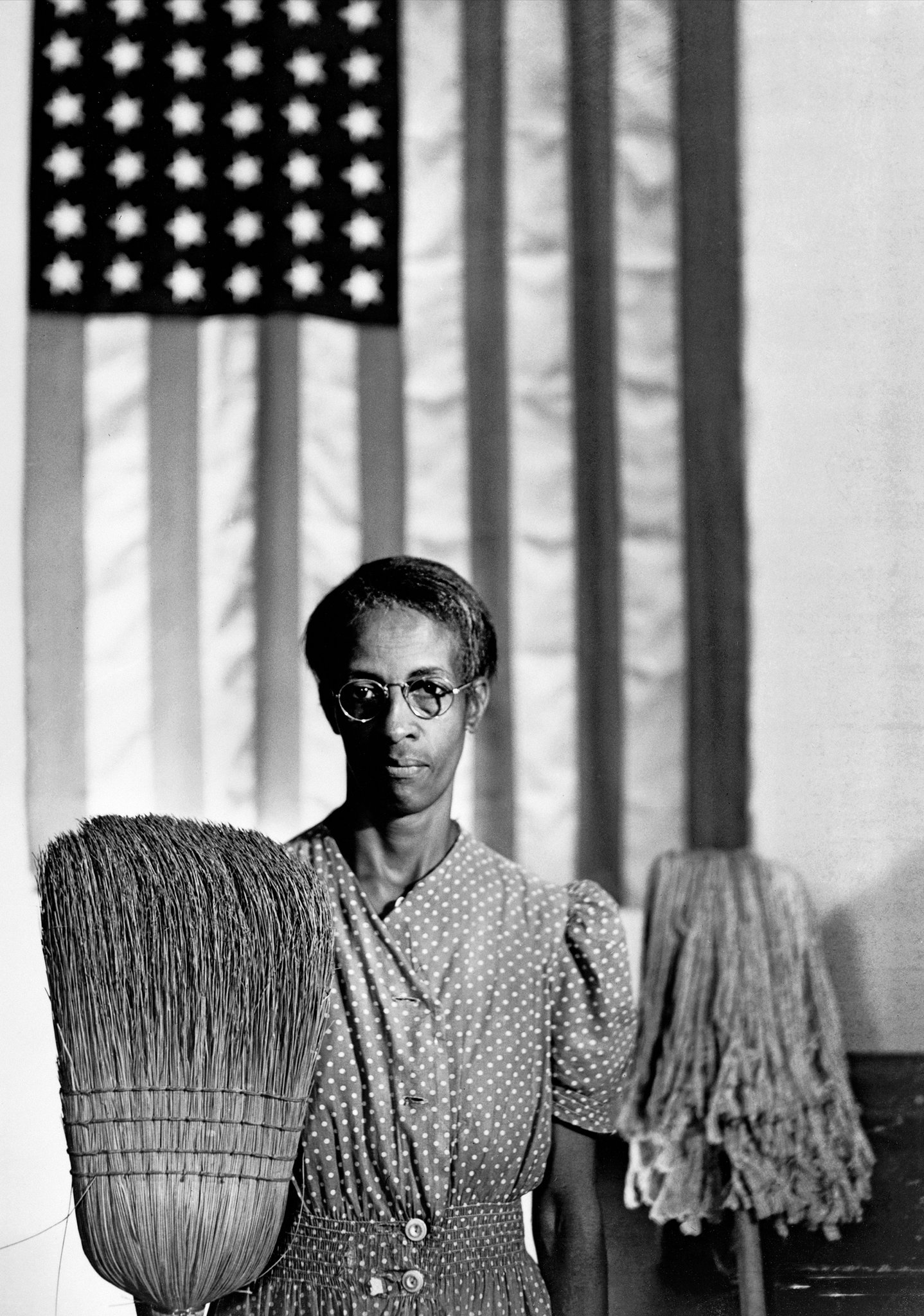
Gordon Parks – American Gothic, Washington D.C. (1942)
Gordon Parks’ American Gothic, Washington, D.C. is one of the most powerful photographs of the 20th century. The image portrays Ella Watson, an African American cleaning woman employed by the federal government, standing solemnly before an American flag while holding a broom and mop. Parks intentionally modeled the composition after Grant Wood’s famous 1930 painting American Gothic, but replaced the rural white farmers with a Black domestic worker to highlight the stark realities of racial inequality in the United States. The photograph was taken while Parks was working for the Farm Security Administration, where he was tasked with documenting American life during the Great Depression and World War II era. The resulting image is both a striking portrait and a quiet protest against the contradictions between American ideals and the lived experiences of many Black citizens.
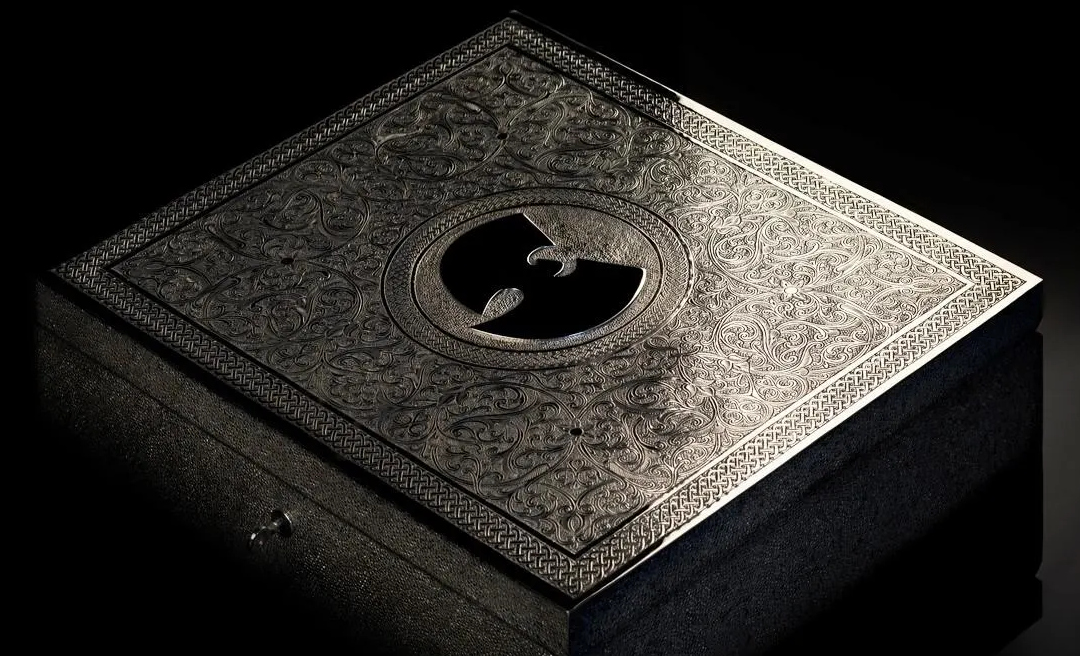
Wu-Tang Clan – Once Upon a Time in Shaolin (2014)
Once Upon a Time in Shaolin is the rarest hip-hop album ever created, serving simultaneously as an art object, a musical statement, and a high-profile collectible. Produced in secrecy from 2006 to 2013, the double album was pressed as a single copy, enclosed in an ornate nickel-silver box sealed with the Wu-Tang Clan’s wax insignia, and accompanied by leather-bound liner notes. Its creation sought to counter the devaluation of music in the digital era by restoring it to the realm of fine art. The album sold in 2015 for $2 million to Martin Shkreli, was later seized by the U.S. government following his conviction, and resold in 2021 for a reported $4 million to PleasrDAO, a digital art collective. Legal restrictions prohibit its commercial release until 2103, amplifying its mystique and cultural legacy.
Featured Grails
Black Grail Score in Action
Black Grail Score
out of 100
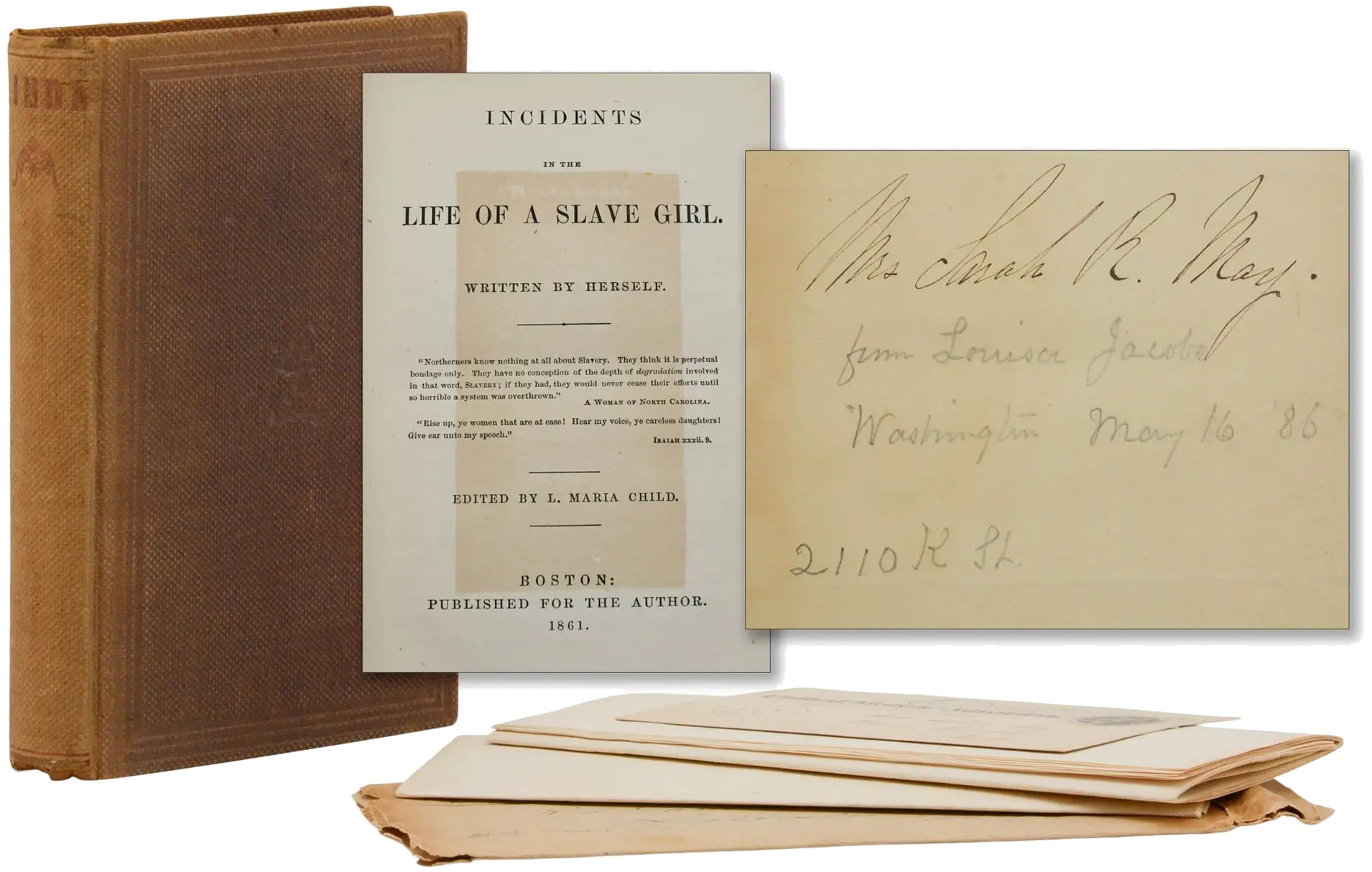
Harriet Jacobs, Incidents in the Life of a Slave Girl — Rare Presentation Copy
This first-edition copy of Incidents in the Life of a Slave Girl (Boston, 1861) is an exceptional presentation copy given by Harriet Jacobs’s daughter, Louisa Jacobs, to Sarah R. May, wife of abolitionist Rev. Samuel May Jr., in 1886. Bound in the publisher’s original light brown beaded cloth with gilt spine, this near-fine copy remains unrestored and is accompanied by extraordinary provenance: two period obituaries for Harriet Jacobs mounted within the book, and a fourteen-page holograph letter describing Jacobs’s 1897 funeral service, including a handwritten copy of the eulogy delivered by Rev. Francis James Grimké, a leading African American minister of the era. The letter, written by Sarah Earle to Samuel May, is the only known surviving eyewitness account of Jacobs’s funeral. The Mays were close friends and supporters of the Jacobs School, a Freedmen’s school founded in Alexandria, Virginia, in 1863 by Harriet and Louisa Jacobs to educate formerly enslaved Black children—a project that embodied Harriet’s belief that Black educators were essential for community empowerment.
9-Dimension Scoring Framework