
Archive Feature
Breaking Panels
The 30 Most Disruptive Black Comic Books
Stories that broke barriers, challenged the status quo, and redefined the industry — ranked, dated, and documented from 1902 to 1993.
Context
Why disruption matters
Disruption drives change. In curating the 30 most disruptive Black comic books, we set out to highlight the stories, creators, and moments that shook the industry, defied expectations, and redefined what was possible in comics. “Disruptive” captures the spirit of innovation, bold representation, and cultural impact in a way that “groundbreaking” never fully does.
These comics didn’t just make history — they challenged norms, sparked conversations, and paved the way for a more diverse and dynamic future in storytelling.
Disruption criteria
Cultural & Historical Significance
How the comic introduces firsts in Black representation and reflects key cultural milestones, shaping Black storytelling in comics.
Representation & Authenticity
The depth and accuracy of Black representation in characters, narratives, and themes.
Industry Disruption
How the comic challenged industry norms, broke barriers, or introduced bold new perspectives.
Social & Political Impact
Its role in addressing social justice, racial issues, or sparking political conversations.
Legacy & Influence
The comic's lasting impact on future creators, stories, and Black representation in media.
Hero Archetype & Character Innovation
How it introduced, redefined, or evolved Black heroism and character depth.
The countdown
#30 → #1
#30
1937
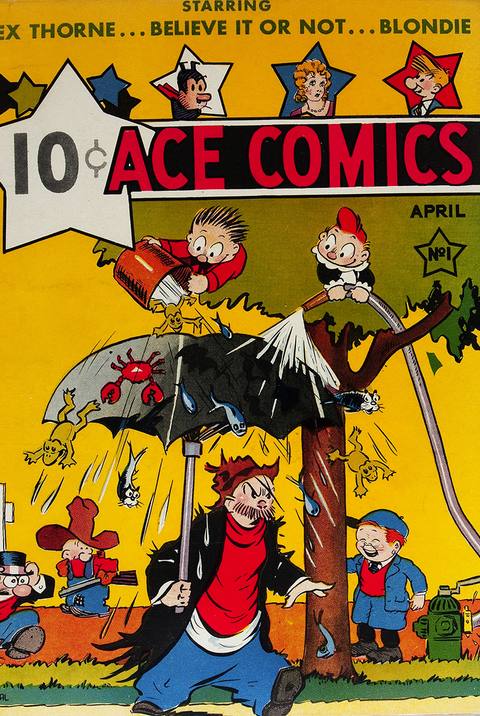
Ace Comics #1
Ace Comics #1 marked the first comic book appearance of Krazy Kat, making history as the first comic to feature a story created, written, and illustrated by a Black creator, George Herriman. His influential artistry helped shape the evolution of comic storytelling.
#29
1940
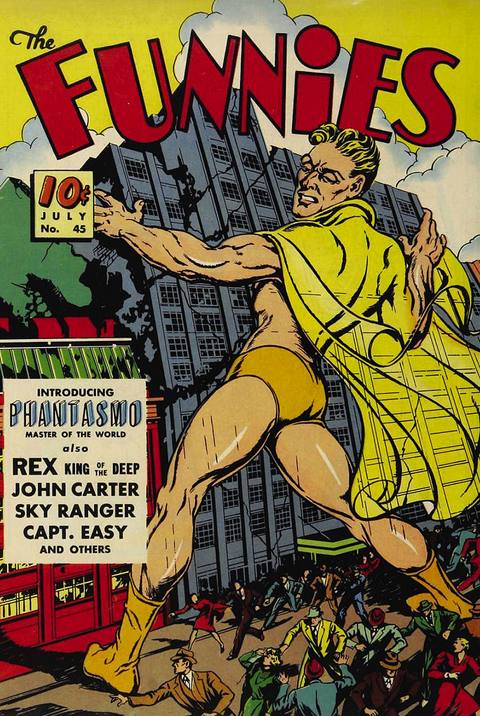
The Funnies #45
The Funnies #45 disrupted the industry as the earliest known instance of a Black creator, E.C. Stoner, crafting a superhero — Phantasmo — placing him alongside Dell's first heroes and marking a groundbreaking moment for Black talent in the comic book industry.
#28
1940
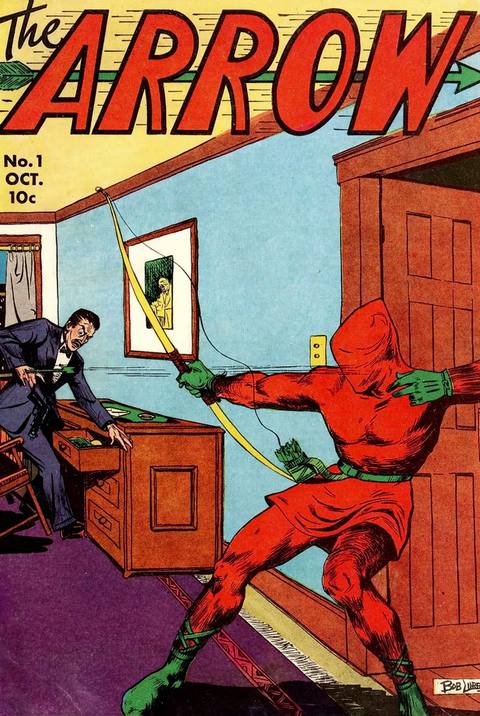
Arrow #1
Arrow #1 introduced Kailo, a rare and complex Black character in the Golden Age. Initially portrayed as a subservient assistant, he is later revealed to be an African king executing a secretive plan. Created by Claire S. Moe, one of the earliest women in comics, this story defied stereotypes, offering an unexpectedly layered portrayal of Black identity in early comic history.
#27
1941
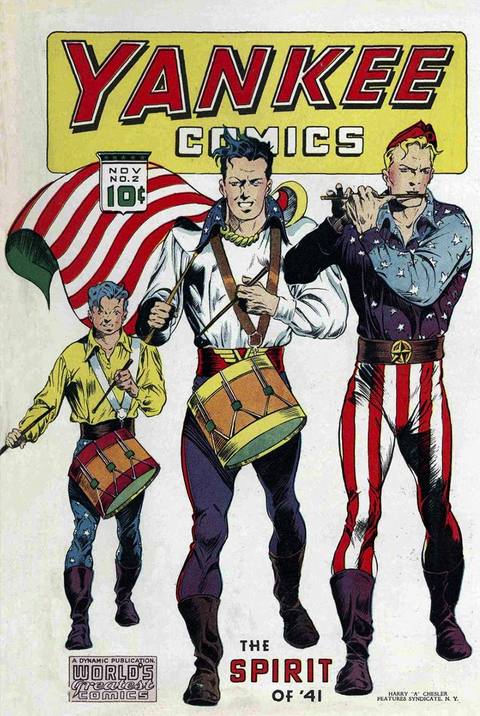
Yankee Comics #2
Yankee Comics #2 introduced Eightball, one of the earliest positive Black representations in the Golden Age of comics. Research suggests he may be the first Black character in comic books to demonstrate acts of heroism and leadership, making him a pioneering figure in early comic history.
#26
1945
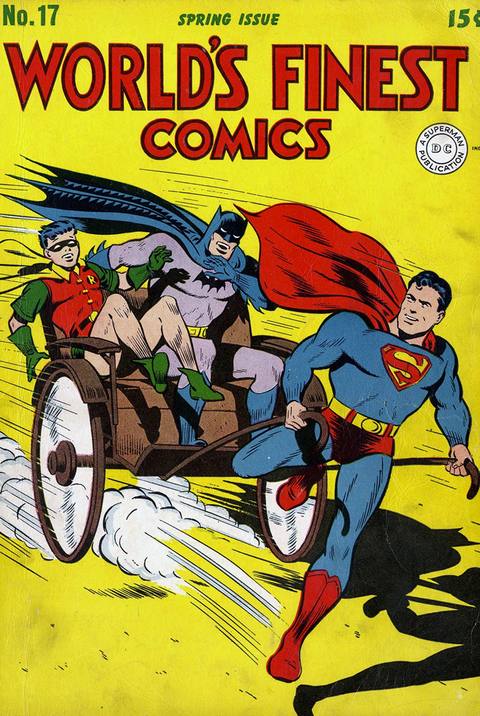
World's Finest Comics #17
World’s Finest Comics #17 featured DC’s first solo story about Black soldiers, highlighting their sacrifices during WWII while confronting the discrimination they faced at home. DC has documented the story’s Sgt. Ralph Jackson as the first Black hero in DC Comics lore, adding even greater historical significance to a story published alongside Superman and Batman.
#25
1972
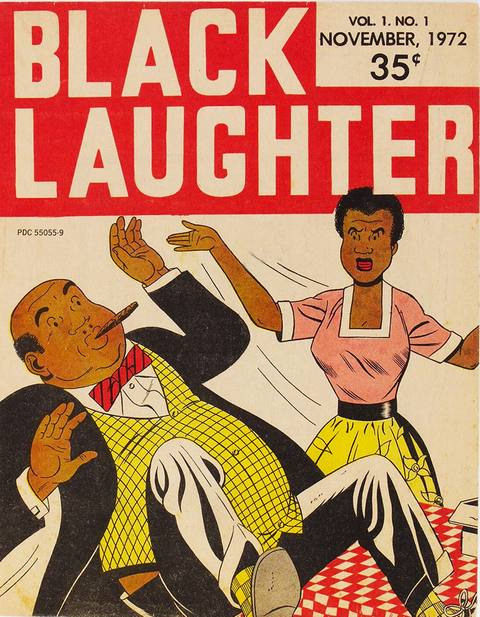
Black Laughter
Black Laughter disrupted the industry by using satire and humor to challenge racial stereotypes and address social issues, offering a bold and unapologetic commentary on the Black experience in America.
#24
1971
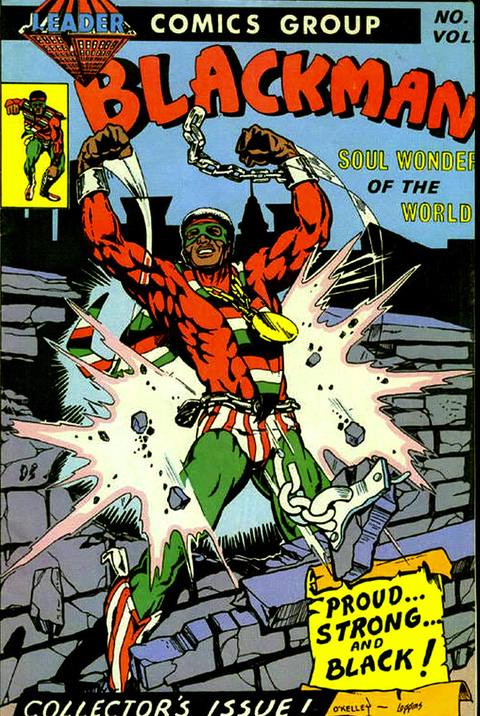
Black Man
Black Man disrupted the industry by delivering a bold, independent Black superhero narrative outside the mainstream, directly confronting racial oppression and empowerment during a pivotal era of the Black Power movement.
#23
1993
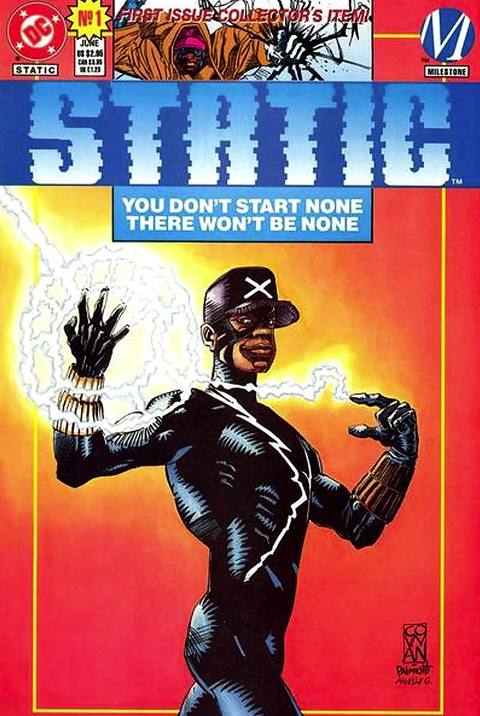
Static #1
Static #1 (Milestone Comics) disrupted the industry by introducing a modern, authentic Black teen superhero whose story tackled real-world issues like racism and gang violence while giving voice to underrepresented communities.
#22
1992
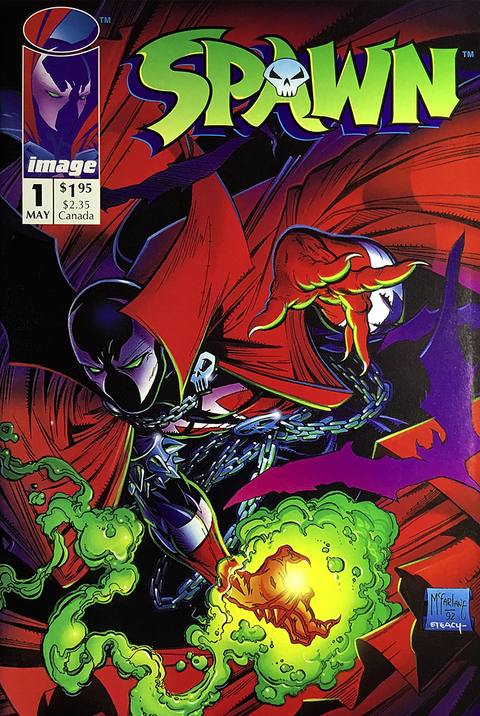
Spawn #1
Spawn #1 introduced a radically different type of protagonist to mainstream comics. As a hellspawn with a dark origin and complex morality, Spawn challenged the traditional superhero archetype — along with established norms in comic book storytelling, aesthetics, and business models — leaving a lasting impact on the medium.
#21
1971
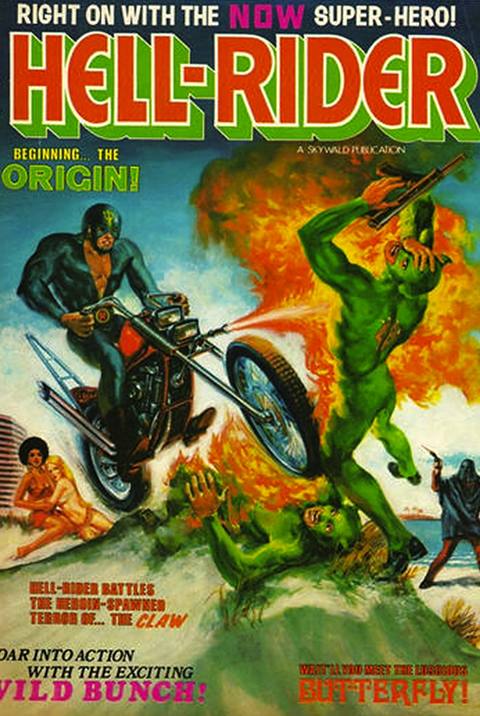
Hell-Rider #1
Hell-Rider #1 introduced Butterfly, the earliest recorded Black female super-powered heroine, predating many mainstream counterparts. Published by Skywald, the series blended gritty biker action with social commentary, pushing boundaries in 1970s comics.
#20
1976
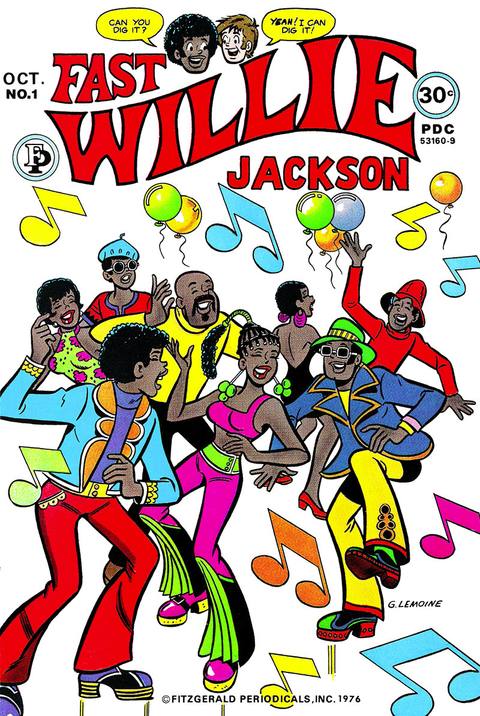
Fast Willie Jackson #1
Fast Willie Jackson #1 disrupted the industry by being one of the first comic books to feature a predominantly Black cast, offering a rare and authentic portrayal of Black teenage life at a time when such representation was scarce in the medium.
#19
1975
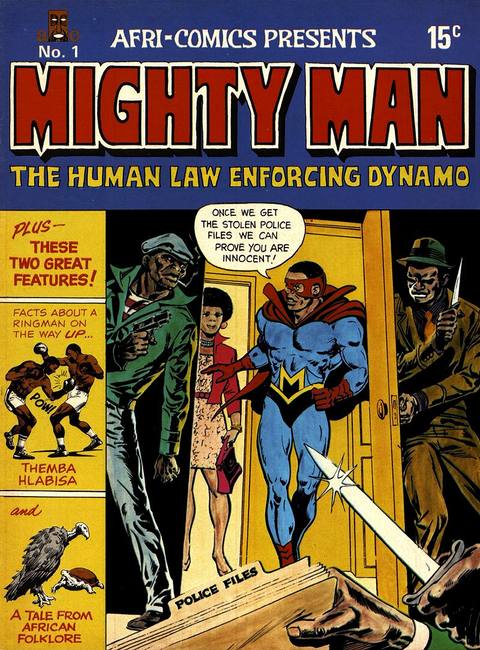
Mighty Man #1
Mighty Man No. 1 was a groundbreaking South African comic that introduced one of the country's first Black superheroes during apartheid, challenging racial oppression and providing a rare heroic figure for Black readers.
#18
1972
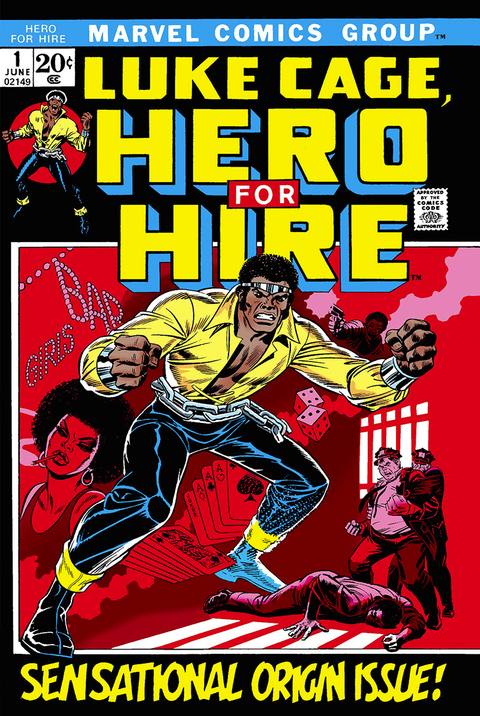
Luke Cage: Hero for Hire #1
Luke Cage: Hero for Hire #1 disrupted the industry by introducing the first Black superhero to headline his own solo series at Marvel, embodying street-level heroism and addressing themes of racial injustice, economic struggle, and resilience in a rapidly changing America.
#17
1966
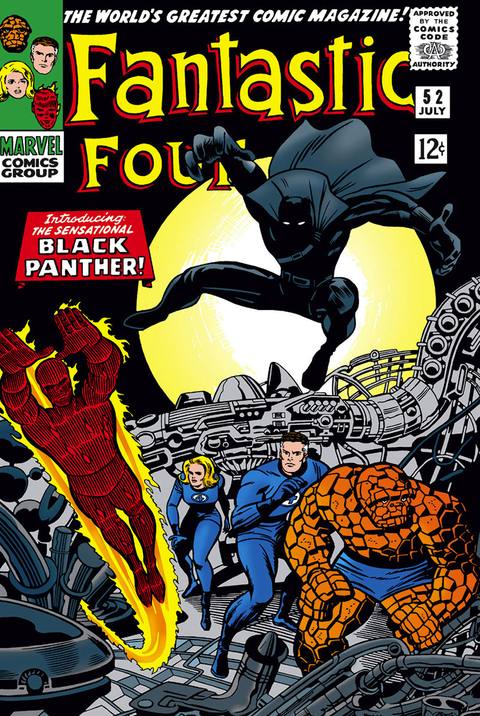
Fantastic Four #52
Fantastic Four #52 introduced Black Panther, the first Black featured superhero from Marvel Comics, disrupting the industry by presenting a powerful, intelligent African king at a time when Black representation was severely limited and often stereotypical.
#16
1953
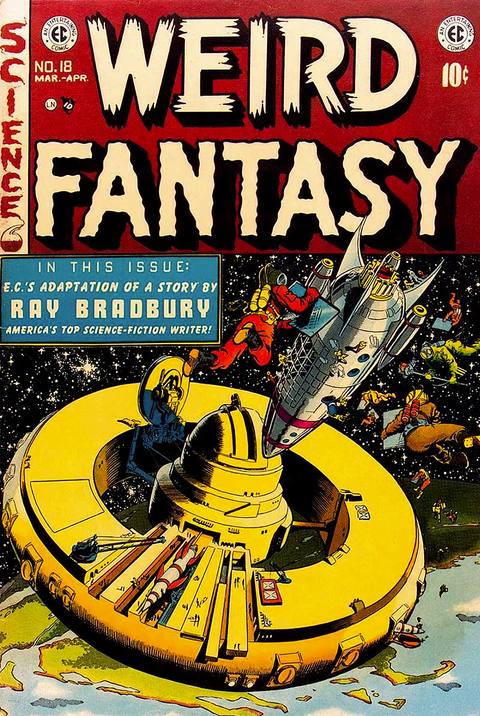
Weird Fantasy #18
Weird Fantasy #18 delivered a groundbreaking twist on racial prejudice with its sci-fi tale, “Judgment Day.” The story, which critiques segregation through the lens of an astronaut evaluating a robotic society, was nearly censored for featuring a Black protagonist. It remains one of the most powerful and controversial statements on race in comic book history.
#15
1970
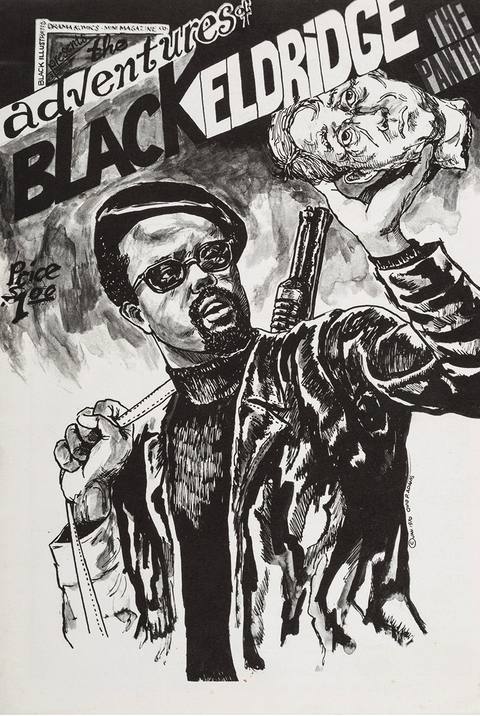
The Adventures of Black Eldridge: The Panther
The Adventures of Black Eldridge: The Panther, published by Marcus Books and illustrated by Ovid P. Adams, depicts Black Panther leader Eldridge Cleaver taking militant action against racial violence. Its bold, revolutionary message led to FBI scrutiny under COINTELPRO, making it one of the most politically charged and disruptive comics in history.
#14
1955
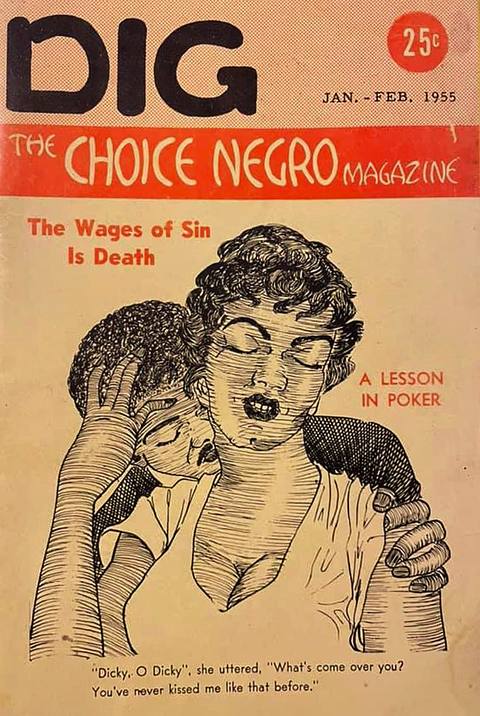
DIG, The Negro Choice
DIG, The Choice Negro Magazine was a rare Black underground comic magazine published in Detroit, featuring adult-themed stories centered on love, relationships, and tragedy. Intended as a bi-monthly series, it ceased after just one issue. It is one of only two recorded Black-published comic books from the Golden Age, and its underground nature left behind little historical record, making it one of the most elusive Black comic publications of the era.
#13
1947
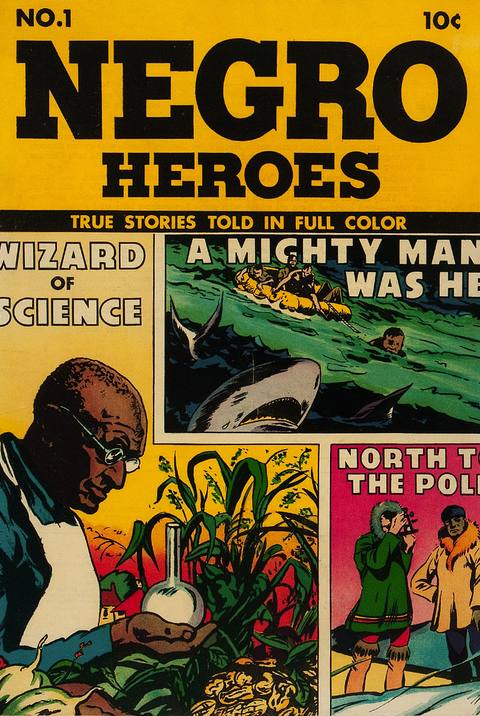
Negro Heroes #1
Negro Heroes #1 disrupted the industry by celebrating Black historical figures and achievements at a time when mainstream comics largely ignored Black heroes. It provided inspirational representation by highlighting Black pioneers in science, education, and the arts, countering racial stereotypes in media.
#12
1947
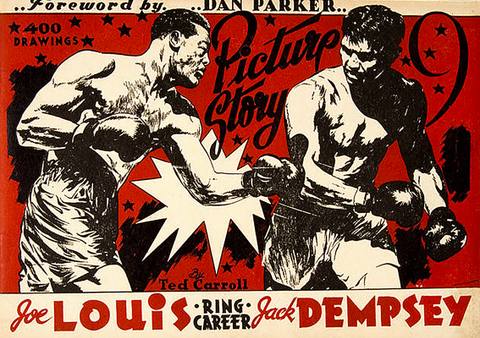
Ring Career: Joe Louis vs. Jack Dempsey
Ring Career is the first recorded comic fully written and illustrated by a Black creator, Ted Carroll. This landmark work showcased Black excellence in both storytelling and artistry, breaking barriers in comic book history.
#11
1946
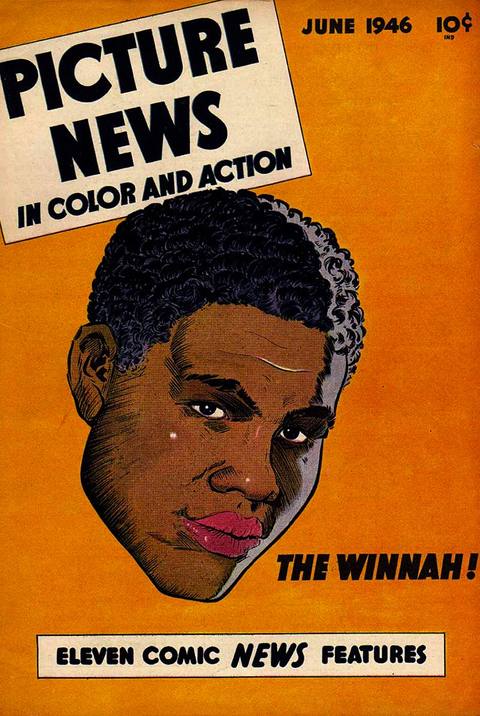
Picture News #6
Picture News #6 featured the first comic book cover appearance of a real-life Black celebrity, Joe Louis, breaking barriers with a non-stereotyped solo Black cover and story representation.
#10
1902
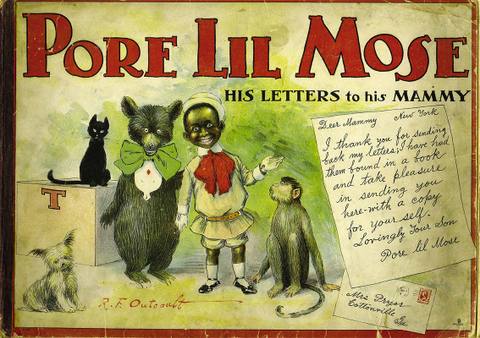
Pore Lil Mose
Pore Lil Mose is considered the first comic book to headline a Black protagonist, created by Richard F. Outcault. While historically significant, it balanced racial stereotypes of its era with a surprisingly heartfelt and humanizing narrative. Despite its flaws, it stands as an early milestone in Black representation in sequential art.
#9
1941
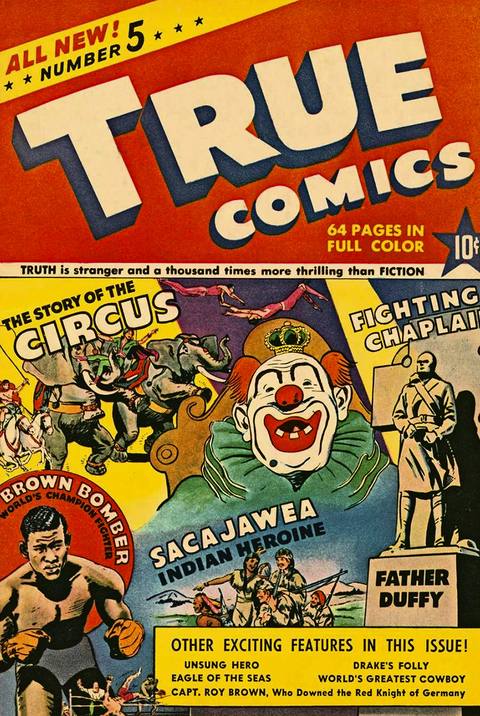
True Comics #5
True Comics #5 was the first comic to feature a positive Black figure on its cover — boxing champion Joe Louis — while also including a dedicated story about his achievements. This issue played a key role in fostering better representation, ultimately inspiring the Parent Institute to collaborate with the Urban League in creating Negro Heroes, a comic series celebrating Black excellence in science and industry.
#8
1970
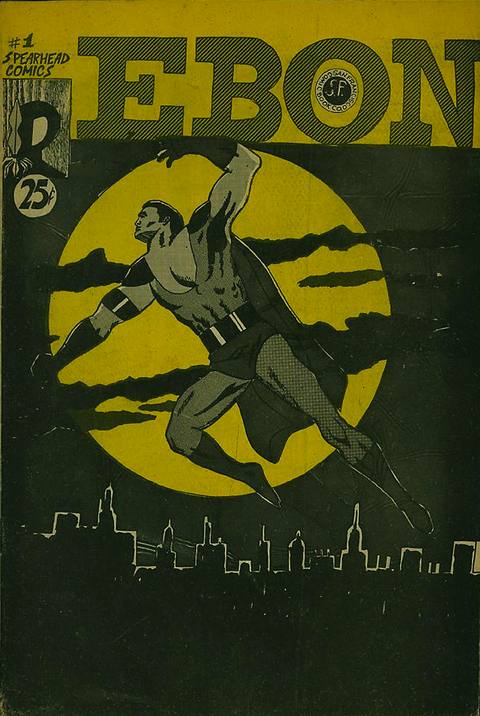
Ebon
EBON, created by Larry Fuller, is the first Black super-powered hero comic by a Black creator. Independently published, it broke barriers by centering a Black hero at a time when mainstream comics lacked authentic representation.
#7
1972
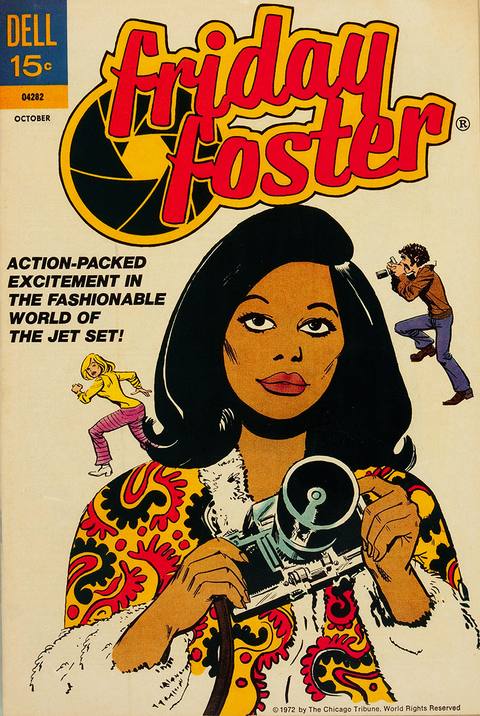
Friday Foster #1
Friday Foster #1 marked the first comic book appearance of Friday Foster, the first Black woman to headline her own comic book. Originally debuting in a nationally syndicated comic strip, Friday — a former model turned photographer — brought a rare and stylish representation of Black women in comics, breaking barriers in mainstream media.
#6
1965
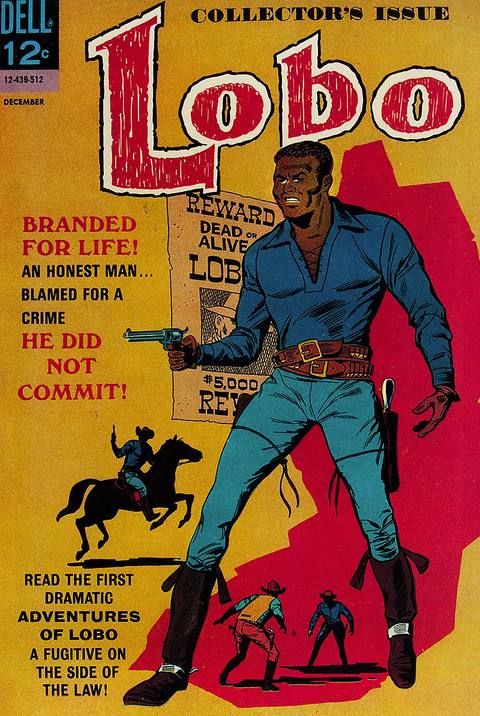
Lobo #1
Lobo #1 was the first comic book to feature a Black hero as the title character in his own series. Published by Dell Comics, Lobo followed a Black gunslinger in the Old West, a rare and bold move for its time. However, due to backlash and poor distribution, the series was canceled after just two issues, highlighting the industry's resistance to Black-led titles.
#5
1945
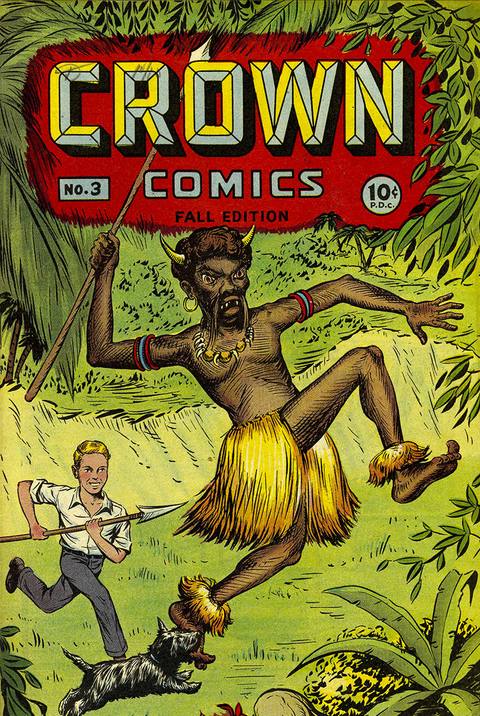
Crown Comics #3
Crown Comics #3 introduced Voodah, the first undeniably Black hero to headline his own comic book feature. In his debut, he bravely defends his tribe and love interest from danger. However, after just two appearances, Voodah was controversially whitewashed, erasing his Black identity. Created by the legendary Matt Baker, Voodah remains a groundbreaking yet tragic figure in Black comic book history.
#4
1949
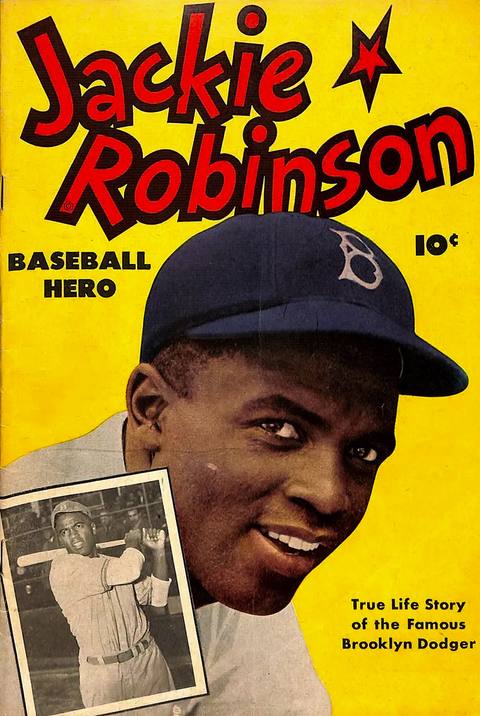
Jackie Robinson: Baseball Hero
Jackie Robinson Comics was a groundbreaking series that made Robinson the first Black man to have his name in a comic book title. It also marked the first time a real-life athlete headlined their own comic book series.
#3
1950
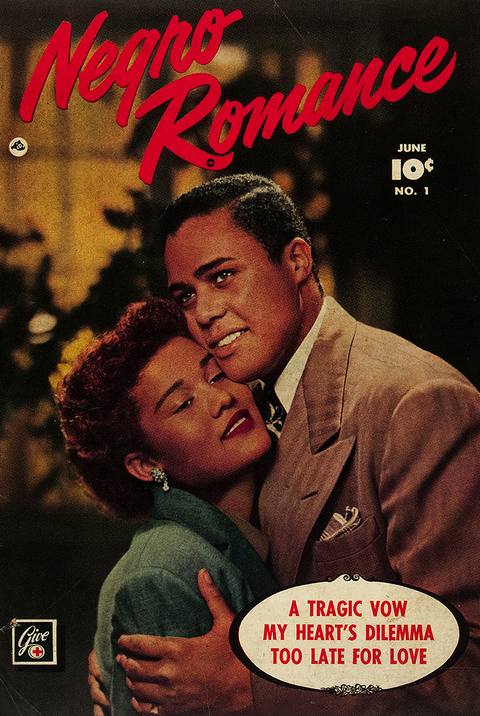
Negro Romance #1
Negro Romance #1 was the first romance comic dedicated to Black characters, breaking barriers in a genre that largely excluded them. Published by Fawcett Comics, it depicted Black love stories without the stereotypes common at the time, offering a rare and positive portrayal of Black relationships in mid-century comics.
#2
1964
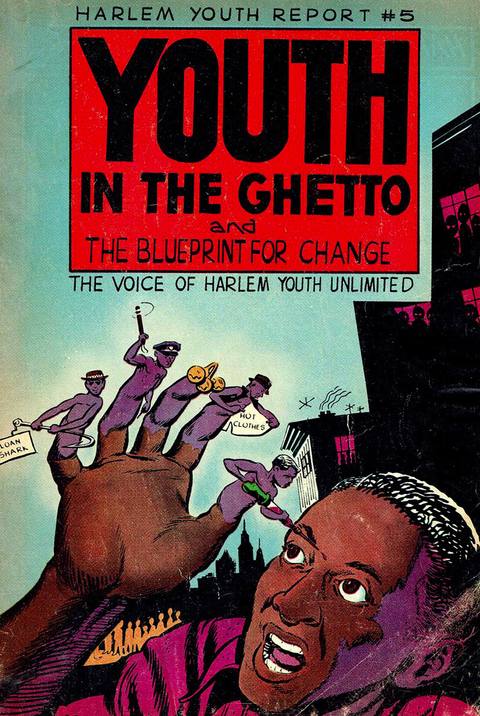
Harlem Youth Report: Youth in the Ghetto #5
Harlem Youth Report, Youth in the Ghetto #5 used comic book storytelling to highlight the realities of systemic oppression, poverty, and personal accountability faced by Black youth in Harlem. Combining journalism with sequential art, it provided a raw, unfiltered look at urban struggles, serving as both a call to action and an educational tool.
#1
1947
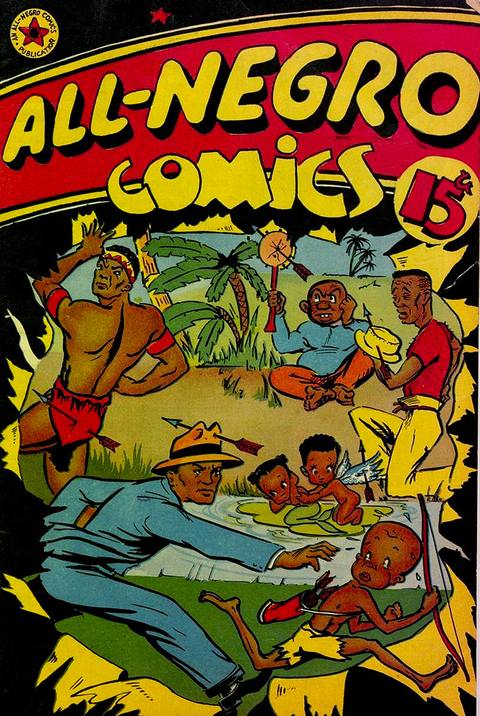
All-Negro Comics #1
All-Negro Comics #1 was the first comic book written, illustrated, and published entirely by Black creators. Spearheaded by Orrin C. Evans, it was a bold attempt to establish independent Black representation in comics, featuring heroic Black protagonists outside of racist caricatures. Despite its groundbreaking nature, the series was short-lived due to industry discrimination, making it one of the rarest and most significant comics in history.
How many do you have?
Black Grail documents, scores, and preserves the artifacts of Black cultural history. Browse the comics archive or bring your own grails into the record.