Comics & Magazines

    Browse vintage comics, magazines, and publications featuring Black stories and representation.

    22 Resources
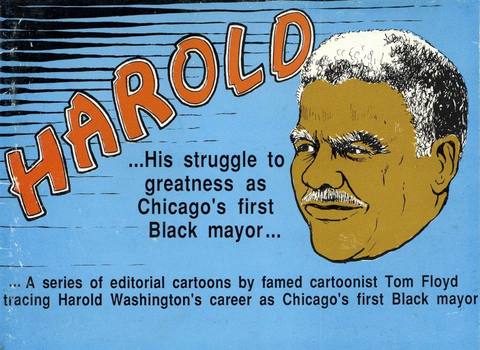
    Harold: His Struggle to Greatness as Chicago's First Black Mayor (1988)

    Harold, published in 1988 by Tom Floyd Visuals, is a rare editorial cartoon collection dedicated to chronicling the historic political career of Harold Washington, Chicago's first Black mayor. This full-color publication features original editorial cartoons by Thomas Wesley Floyd, Sr. — one of the most significant Black cartoonists in American history — documenting Washington's journey from underdog candidate to transformative civic leader.Each cartoon captures the drama, racial tension, and triumphant moments of Washington's tenure, including his landmark 1983 election, the brutal "Council Wars" standoff against the Vrdolyak 29, and his hard-won second-term victory in 1987. Floyd presents Washington not merely as a politician, but as a symbol of Black resilience and political power in one of America's most racially charged cities.

    Historical Significance:

    Harold was a trailblazer in African American political cartooning, giving visual voice to one of the most consequential Black political victories of the 20th century across civil rights, urban politics, race, and community empowerment. The book sought to preserve Washington's legacy in real time, provide counter-narrative imagery to mainstream media depictions, and serve as a living historical document of Chicago's transformation.Its influence endures as a rare, firsthand artistic record of Black political history created by and for the Black community — providing a blueprint for how Black editorial cartooning can document and elevate Black political power for future generations.

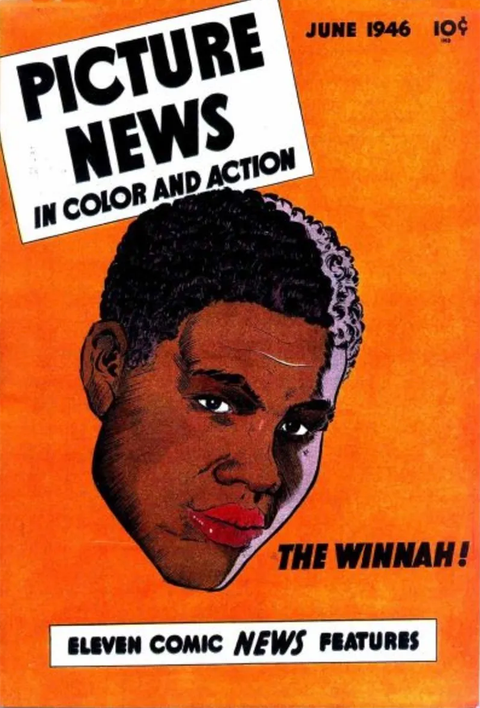
    Picture News #6: Joe Louis, Stand‑Alone Cover Icon (1946)

    Published in June 1946 by Lafayette Street Corporation, Picture News #6 is a landmark non‑fiction comic that spotlights heavyweight boxing champion Joe Louis at the height of his reign. The issue combines reportage and sequential art to chronicle his life and career, while the interior features a dedicated comic story focused on Louis himself. Most visually striking is the cover, which presents a bold, full‑figure portrait of Louis as the sole subject—without secondary characters, vignettes, or background scenes—centering a Black athlete with dignity, confidence, and graphic clarity rare for its era.

    Historical Significance:

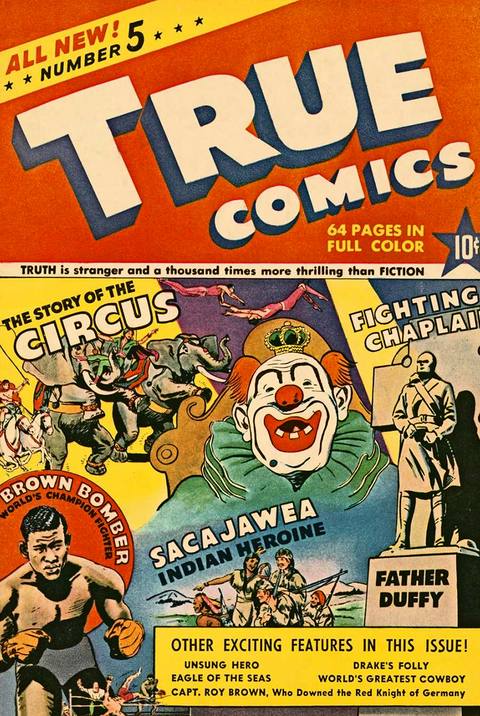
    Picture News #6 is widely regarded by researchers as the earliest known comic book cover to feature a non‑stereotyped Black man as the exclusive focal point, with no other figures sharing the space. Earlier appearances, such as True Comics #5 (1941), did highlight Joe Louis on the cover, but he appears alongside additional characters and imagery, making him featured rather than singularly centered. By contrast, Picture News #6 offers a clean, stand‑alone cover image devoted entirely to Louis, marking a major early moment in comic‑book history where a Black figure is visually prioritized and presented with respect in a mainstream news‑style publication. The issue also predates Fawcett’s Joe Louis, Champion of Champions (1950), which would later give him a short‑run solo title, underscoring this book’s role as a bridge between scattered features and fully branded Black‑led comics.

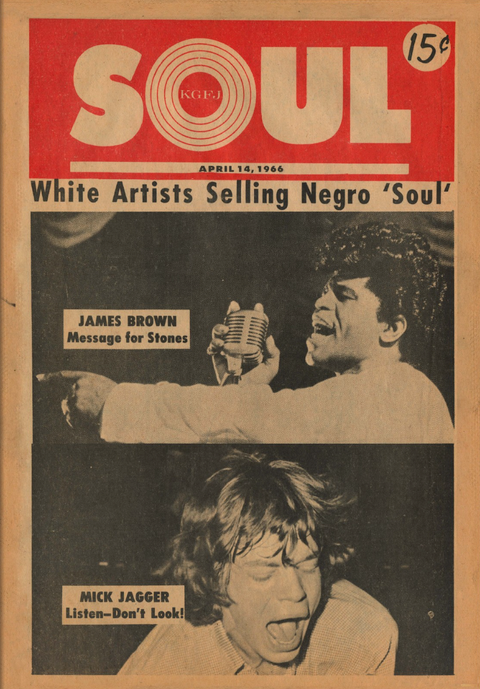
    SOUL – America’s Most Soulful Newspaper, Vol. 1 No. 1 (April 14, 1966)

    Debut issue of SOUL – America’s Most Soulful Newspaper, the pioneering Los Angeles–based Black music newspaper founded by Ken and Regina Jones in partnership with R&B station KGFJ. Published April 14, 1966, this first issue was sold for 15¢ and printed in a run of roughly 10,000 copies, which sold out in under a week.The cover delivers an uncompromising headline—“White Artists Selling Negro ‘Soul’”—above juxtaposed photos of James Brown (“Message for Stones”) and Mick Jagger (“Listen—Don’t Look!”), calling out the appropriation of Black soul music by white performers. Inside, the paper reports on Black recording artists, industry news, charts, and community items, offering the kind of serious, fact‑based coverage Black musicians rarely received in the mainstream press.SOUL quickly expanded from a local KGFJ edition into a national network of co‑branded issues with R&B stations in some 30 markets, becoming a primary news source for labels, publicists, and fans tracking the rise of soul, funk, and early R&B‑driven pop. This inaugural number marks the starting point of a publication that would chronicle the careers of artists from James Brown and Aretha Franklin to the Jackson 5 and Michael Jackson across more than 350 issues through 1982.

    Historical Significance:

    First soul‑music newspaper. SOUL is widely regarded as the first dedicated soul‑music news publication, created specifically to document Black artists and Black popular culture at a time when mainstream music magazines marginalized or sensationalized them.Launch of a Black‑run media institution. Founded by Black journalists Ken and Regina Jones in direct response to the Watts Rebellion, SOUL was conceived as a vehicle for self‑representation—“some kind of newspaper to highlight entertainment and black music in particular”—and grew into a nationally distributed institution of Black entertainment journalism.Iconic critique of cultural appropriation. The first issue’s headline, “White Artists Selling Negro ‘Soul,’” is one of the sharpest contemporary print attacks on white exploitation of Black musical forms, explicitly contrasting James Brown’s authenticity with the Rolling Stones’ success and demanding recognition and economic justice for Black creators.Blueprint for radio‑press synergy. SOUL’s KGFJ partnership—free on‑air promotion in exchange for station branding and ad space—became a model for Black‑oriented media collaborations, helping the paper reach a circulation of around 125,000 across roughly 30 major markets by the late 1960s.Primary record of Black music history. Over its 1966–1982 run, SOUL provided first‑run interviews, reviews, and photography that now serve as primary documentation of the growth of soul, funk, and crossover Black pop; many artists’ earliest or most candid media appearances appeared in its pages.As the inaugural issue, this copy represents the moment SOUL’s experiment in Black‑controlled music journalism moved from idea to printed reality—making it a foundational artifact for any serious collection centered on Black media, music history, or the politics of cultural ownership.

    True Comics #5 (Parents’ Magazine Institute, 1941)
    Comics & Magazines
    Early 20th Century

    True Comics #5 is a 64-page educational comic published in 1941 by the Parents’ Magazine Institute, best known for mixing nonfiction stories with colorful, Golden Age artwork. The cover features Joe Louis as “The Brown Bomber,” prominently showcased alongside other story banners, and inside is a multi-page feature that dramatizes his life from poverty to world heavyweight champion. Unlike typical superhero fare of the period, this issue presents Louis as a real-world hero, framing his achievements in a way that young readers could identify with, while also appealing to teachers, parents, and civic groups who used these comics as teaching tools.

    Historical Significance:

    True Comics #5 is widely regarded as the first mainstream American comic book to place a Black individual in a heroic, positive light on the front cover and then support that image with a dedicated biographical story inside the same issue. Appearing years before the emergence of Black superheroes, the book stands alongside early comic depictions of real-life Black achievers such as Joe Louis, Mary McLeod Bethune, Paul Robeson, and other figures who were later highlighted in Negro Heroes. The Parents’ Magazine Institute’s decision to spotlight Louis in 1941 helped normalize Black heroism for a young, largely white readership and laid essential groundwork for later Black-centered comic publications, including Negro Heroes and, indirectly, later milestone titles like All-Negro Comics.​

    Martin Luther King Jr. Autographed Ebony, May 1965
    Comics & Magazines
    Mid-Century Era

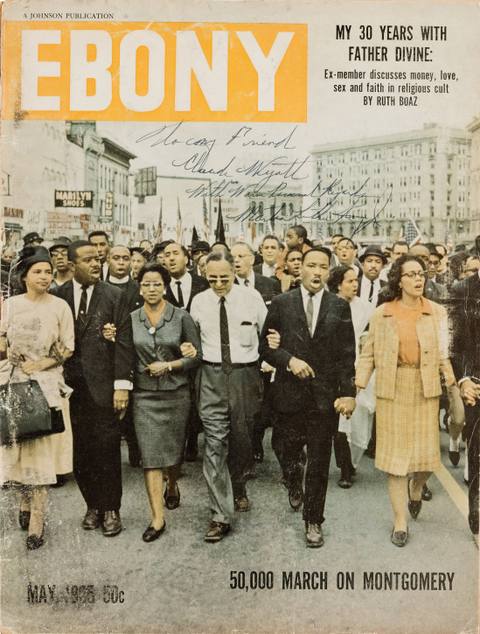
    This inscribed and signed May 1965 issue of Ebony magazine is a Black Grail-level artifact, directly connecting one of the most iconic moments in civil rights history to Dr. Martin Luther King Jr.'s personal network of activism. The cover features a powerful photograph from the Selma to Montgomery March, taken on March 25, 1965, showing Dr. King, Coretta Scott King, Rev. Ralph Abernathy, Ralph Bunche, and Ruth Bunche leading thousands in what became one of the most heroic and pivotal protests in American history. Inside, Simeon Booker's article "50,000 March on Montgomery" chronicles the march's final day, just months before President Lyndon B. Johnson signed the Voting Rights Act into law. Dr. King inscribed the cover in blue ballpoint: "To my Friend / Claude Wyatt / With Warm Personal Regards / Martin Luther King Jr." Rev. Claude S. Wyatt Jr. and his wife Rev. Addie L. Wyatt were prominent Chicago-based civil rights activists and close King allies, marching alongside him at both the 1963 March on Washington and the 1965 Selma march.

    Historical Significance:

    This signed magazine embodies the heart of the civil rights movement—not only documenting a watershed moment in photojournalism and advocacy but also carrying Dr. King's personal inscription to a trusted comrade in the struggle. The provenance tying this copy to Rev. Wyatt, an SCLC leader, adds immense weight, as it was clearly a gift between movement leaders who shared the front lines. Copies of Ebony magazine signed by MLK Jr. are exceptionally rare; magazines with such direct ties to the Selma march and King's inner circle are virtually unparalleled. This example sold for $93,750 at Heritage Auctions in February 2023, underscoring its status as a museum-quality artifact.

    Blackman: Soul Wonder of the World (1981)
    Comics & Magazines
    Contemporary Era

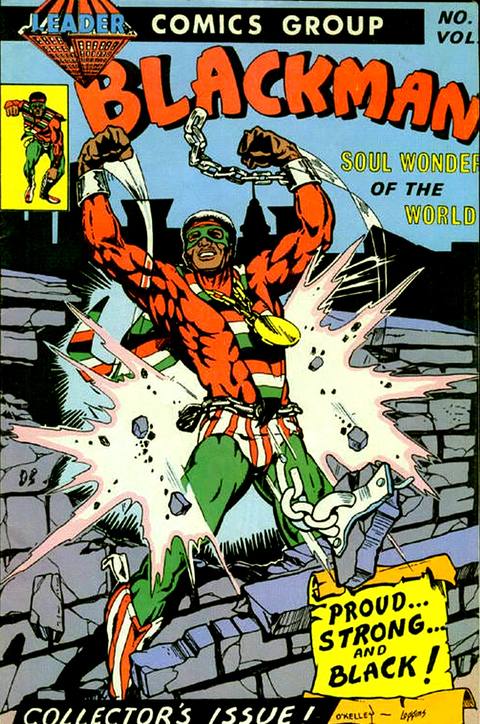
    Blackman: Soul Wonder of the World #1 is a groundbreaking, independently published comic book produced by Leader Comics Group in 1981. Created by Black cartoonist Tom Floyd, with art by Eric O’Kelley and Danny Loggins, this rare collector’s item introduces Steve Thomas, an African American superhero who adopts the identity of Blackman to fight crime, drug abuse, and social injustice.The bold, energetic cover depicts Blackman breaking free from chains, symbolizing empowerment, resilience, and a break from stereotypes. Distributed in limited quantities—primarily throughout the Dallas–Fort Worth area—the comic was crafted to serve as a positive, aspirational role model for Black youth during a time of limited representation in mainstream comics.

    Historical Significance:

    Blackman holds a unique place as one of the earliest Black superhero comics created, owned, and distributed by Black creators outside the mainstream industry. Arriving on the heels of Marvel’s Luke Cage but lacking national distribution, the comic stands as both a reflection of and a response to the cultural and racial challenges of the early 1980s.Its explicit focus on combating discrimination, uplifting the community, and addressing social issues distinguishes it as a work of both cultural advocacy and imaginative storytelling. Today, Blackman is recognized as an artifact of Black independent creativity, inspiring discussions around representation, ownership, and rarity in comic book history.

    Negro Heroes #1 (1947)
    Comics & Magazines
    Early 20th Century

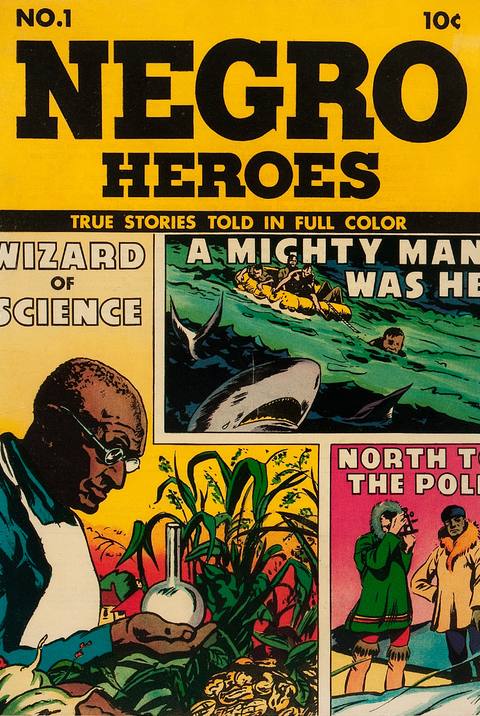
    Negro Heroes #1, published in 1947 by the National Urban League, is an early comic book dedicated to celebrating Black history and achievement. This full-color publication features inspirational biographies and stories about prominent Black figures such as George Washington Carver, Mary McLeod Bethune, Paul Robeson, Matthew Henson, Charles French, Charles David Jr., and Charles Thomas.Each story highlights their courage, intellect, leadership, and contributions in the face of adversity, presenting a positive vision of Black excellence to young readers during a time when mainstream comics largely ignored or misrepresented Black heroes.

    Historical Significance:

    Negro Heroes #1 was a trailblazer in American comics, spotlighting the accomplishments and leadership of Black pioneers across science, education, civil rights, military service, and the arts. The comic sought to inspire Black youth, provide positive counter-narratives to harmful racial stereotypes, and serve as a tool for education and empowerment within the Black community.Its influence endures as a rare, early example of authentic Black representation and pride in youth media—providing a blueprint for future comics and graphic literature created by and for diverse voices.

    Ring Career: Joe Louis vs Jack Dempsey (1947)
    Comics & Magazines
    Early 20th Century

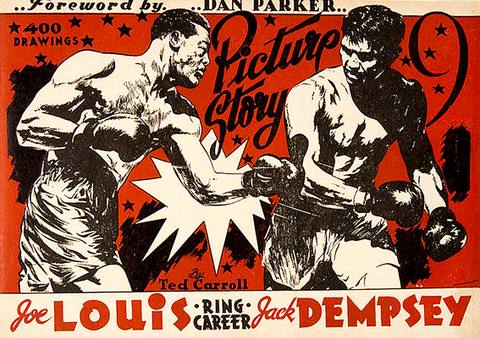
    Ring Career is a landmark 1947 comic fully written and illustrated by Ted Carroll, recognized as the first Black creator in U.S. comics to achieve full authorship of a comic book. Published as a pictorial biography, it chronicles the legendary heavyweight boxing careers of Joe Louis, "The Brown Bomber," and Jack Dempsey through more than 400 dynamic illustrations. Carroll’s distinctive artistry and storytelling bring both athletes to life, blending sports action with narrative depth, and providing young readers and fans with a dignified portrayal of Black athletic achievement.

    Historical Significance:

    Widely recognized as the first U.S. comic both written and drawn by an African American, Ring Career breaks new ground in comic book history. Ted Carroll, an acclaimed sports artist and journalist, paved the way for future generations by portraying Black sports heroes with authenticity, dignity, and narrative sophistication. The comic celebrates the cultural impact of Joe Louis and Jack Dempsey, while marking a foundational moment in African American creative representation within sequential art.

    Jackie Robinson: Baseball Hero (Fawcett, 1949)
    Comics & Magazines
    Early 20th Century

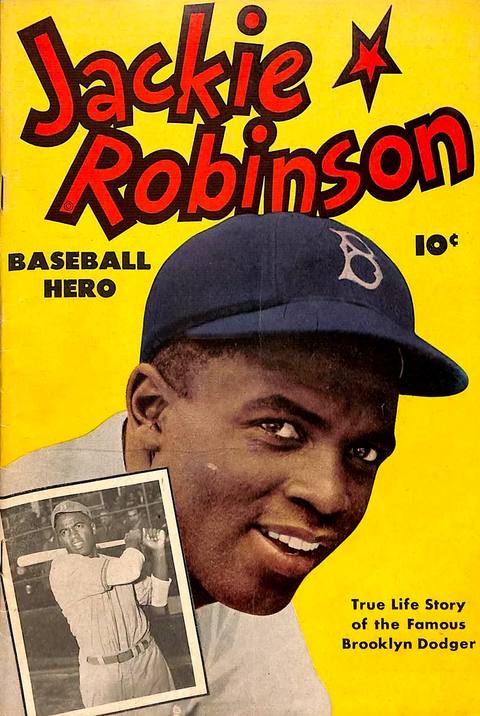
    Jackie Robinson Comics, released by Fawcett Publications in 1949, is a landmark Golden Age series celebrating the barrier-breaking achievements of Jackie Robinson, the first Black major leaguer and Brooklyn Dodgers star.The comic chronicles Robinson’s life from his Georgia childhood and Pasadena adolescence, through his college athletic stardom, Army service, and rise to baseball immortality. The series presented Robinson’s triumphs and character in a positive, dignified light, in stark contrast to the racial caricatures common in comics of the era. Stories included dramatic base-stealing feats and his role as an inspiring figure in the fight for equality.

    Historical Significance:

    This was the first comic book to feature a Black man’s name in the title and the first to chronicle an African American athlete as a real-life hero. Jackie Robinson Comics was foundational in normalizing Black excellence in popular media, paving the way for the representation of Black athletes in comics and broader American society.The series’ success led to follow-up issues and companion comics, underscoring Robinson’s cultural and historical resonance beyond sports, influencing perceptions of Black achievement and American identity.

    Pore Lil Mose: His Letters to His Mammy (1902)
    Comics & Magazines
    Early 20th Century

    Pore Lil Mose, published in 1902 and created by Richard F. Outcault, is widely considered the first comic book (or collected comic strip volume) to feature a Black protagonist.The character, Mose, is a young Black boy whose adventures are chronicled with humor, animal companions, and a tone that, while rooted in the stereotypes of its era, is sometimes warm and humanizing. The stories originated as full-color Sunday comics for the New York Herald between 1900 and 1902, later collected by Cupples & Leon in a “Platinum Age” volume. Outcault’s illustrations and episodic storytelling marked a key moment in the evolution of sequential art and Black representation in American popular culture.

    Historical Significance:

    Pore Lil Mose is a milestone in comics history as the first documented U.S. comic strip or book with a Black lead character. Its publication broke ground for the visibility of Black figures in the medium, however limited. While the art and language reflect racial caricatures typical of the era, Outcault’s narrative occasionally portrays Mose as kind, intelligent, and resilient, signaling an early recognition of Black humanity in mainstream comics.The legacy of Pore Lil Mose reflects both the prejudices of the time and the emerging humanity in early American comics, influencing future generations of Black characters and creators.

    Blk Boy Fly #1 (2017) – C2E2 Preview Edition
    Comics & Magazines
    Contemporary Era

    Blk Boy Fly #1 is a highly sought-after comic book preview published in 2017, written and conceptualized by acclaimed Afrofuturist artist Hebru Brantley in collaboration with Steve Seeley, with cover art by Max Sansing and interior art by Sajad Shah.The comic debuted in extremely limited quantities, rumored to be just 100 copies, at Chicago’s C2E2 convention, and was also distributed at NYCC. It centers on Brantley’s signature characters, Flyboy and Lil Mama, whose bold, colorful visuals and Afrofuturist narrative embody themes of hope, empowerment, and Black childhood imagination. With a street-art aesthetic and Chicago roots, this preview comic reflects Brantley’s broader impact in public art, fine art, and pop culture, bridging comics and contemporary Black art movements.

    Historical Significance:

    Blk Boy Fly #1 is recognized as a landmark of modern Black comic culture and visual arts, intersecting rare independent comic publishing with the cultural ascendance of Brantley's Flyboy universe. As Flyboy has become a symbol of youthful empowerment and urban resilience, this comic serves as a rare, early artifact in Brantley’s legacy and Chicago’s contemporary art scene.Supported by Brantley’s growing international reputation and the comic’s ultra-low print run, it is celebrated for authentic representation and Afrofuturist reimagining of Black heroism, marking a major milestone for Black creatives in the comic arts.

    Crown Comics #3 (1945)
    Comics & Magazines
    Early 20th Century

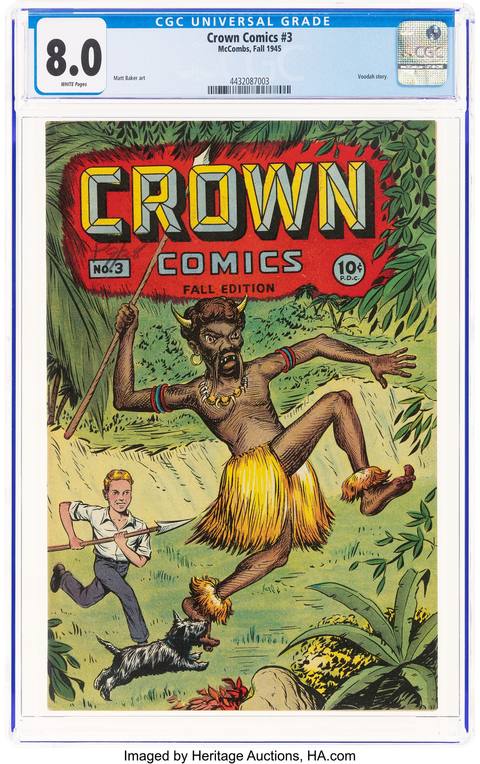
    Published in 1945, Crown Comics #3 marks the historic debut of Voodah, a Black jungle hero created and drawn by legendary African American comic artist Matt Baker.In his first story, Voodah saves his tribe, the N’risi, and his companion Jano from an escaped convict, establishing himself as a powerful, positive protagonist at a time when mainstream comics rarely depicted Black characters. The issue features dynamic Golden Age artwork and adventurous storytelling, with Baker’s distinctive style bringing authenticity and presence to Voodah’s character.

    Historical Significance:

    Voodah’s introduction represents a watershed moment for both Black comic representation and the history of comics overall. He is celebrated as the first undeniably Black hero to headline his own feature in a comic book, predating other notable characters such as All-Negro Comics’ Lion Man and Marvel’s Black Panther by decades.Subsequent issues “whitewashed” Voodah, reflecting the racial politics of the era and the barriers faced by Black creators and heroes in the industry. Matt Baker’s pioneering accomplishments cement his place as the “Godfather” of Black comic artists, making this issue an essential milestone in the Black comics canon.