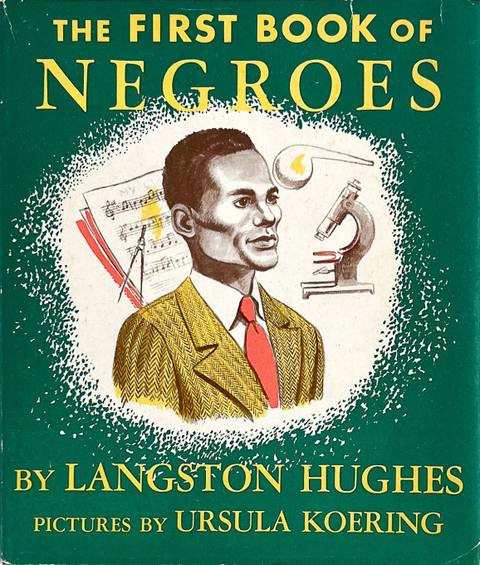
1952
The First Book of Negroes — Langston Hughes, 1952 (First Edition)
First edition of Langston Hughes's inaugural title in his five-volume "First Book" series for children (New York: Franklin Watts, 1952) — a…
89Rare

Produced in 1964 by Harlem Youth Opportunities Unlimited (HARYOU), Youth in the Ghetto: A Study of the Consequences of Powerlessness and a Blueprint for Change — A Summary condenses HARYOU’s massive 644‑page master report into an 11‑page illustrated briefing designed for rapid circulation among policymakers, funders, clergy, and community leaders. Printed in large format, the booklet combines stark graphics—a map of Central Harlem, charts on job trends, and program diagrams—with clear prose that outlines the organization’s diagnosis of “powerlessness” and its proposed interventions in education, employment, and youth programming. Surviving copies are scarce, especially in collectible condition, as most were used as working documents in community meetings and government offices rather than preserved as keepsakes.
This summary stands at the intersection of civil‑rights policy, Black urban sociology, and movement strategy in mid‑1960s Harlem. It distills the findings that informed Kenneth B. Clark’s later Dark Ghetto and helped shape New York City’s War on Poverty initiatives, including Operation Bootstrap and other community‑controlled programs for Harlem youth. Where the later Harlem Youth Report #5 comic translated the blueprint for young readers, this booklet captures how HARYOU framed its agenda for decision‑makers—making it a key primary source for understanding how Black activists tried to turn research into concrete power, resources, and institutional change.
Validate this item’s Black Grail Score with verified heritage data
Heritage verification opening soon
1952
First edition of Langston Hughes's inaugural title in his five-volume "First Book" series for children (New York: Franklin Watts, 1952) — a…
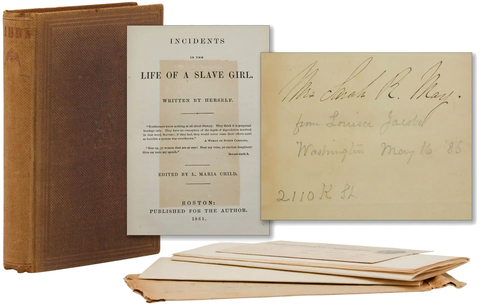
1861
This first-edition copy of Incidents in the Life of a Slave Girl (Boston, 1861) is an exceptional presentation copy given by Harriet Jacobs…
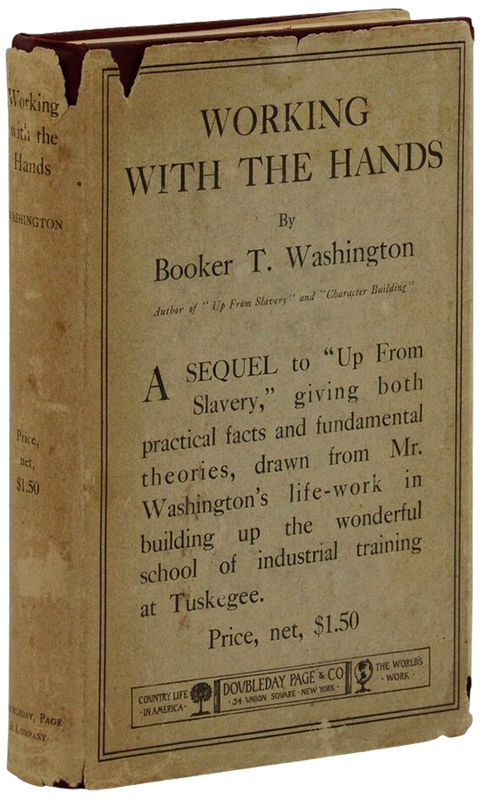
1904
Working with the Hands is a 1904 nonfiction work by Booker T. Washington , published as a sequel to his celebrated autobiography, Up from S…
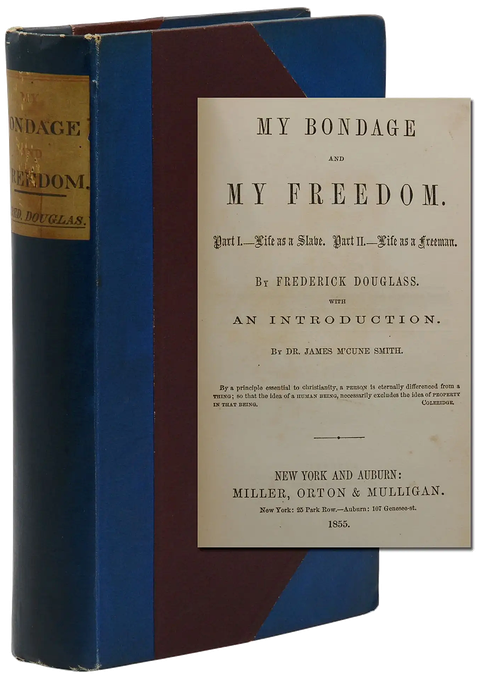
1855
Frederick Douglass’s My Bondage and My Freedom is the landmark second autobiography of America’s most influential abolitionist and orator.…