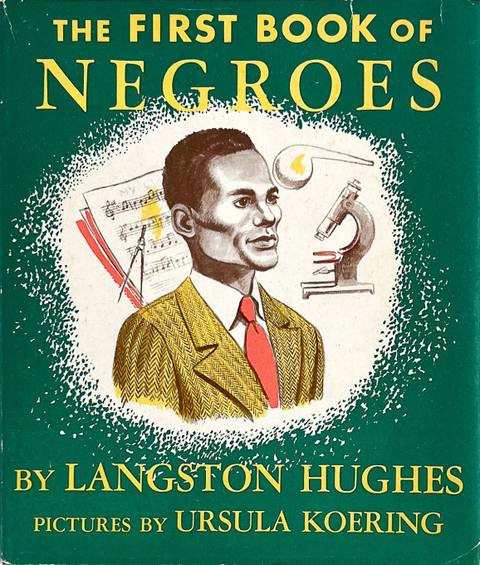
1952
The First Book of Negroes — Langston Hughes, 1952 (First Edition)
First edition of Langston Hughes's inaugural title in his five-volume "First Book" series for children (New York: Franklin Watts, 1952) — a…
89Rare

Working with the Hands is a 1904 nonfiction work by Booker T. Washington, published as a sequel to his celebrated autobiography, Up from Slavery. This first edition features original maroon cloth binding and includes 32 full-page photographic plates by Frances Benjamin Johnston, depicting scenes from Tuskegee Institute.
The book documents Washington’s experiences and philosophies regarding industrial training for African Americans, emphasizing the integration of manual labor, practical education, and character development. Combining personal narrative, educational theory, and reporting on student life, it presents a vivid portrayal of Tuskegee’s transformative impact on Black men and women in the early twentieth century.
Published during an era of harsh racial realities in the United States, Working with the Hands captures Washington’s efforts to build a model of Black educational empowerment in the Deep South. The book outlines a curriculum for industrial and academic achievement, while highlighting the expansion to include female students, notably through his wife Margaret Murray Washington’s essay, “Helping the Mothers.”
Washington’s work was both highly influential and controversial, sparking debates on Black advancement, self-reliance, practical skills, and social equality. This first edition remains a landmark artifact, standing alongside his other major works as essential documentation of African American education, culture, and progress.
Validate this item’s Black Grail Score with verified heritage data
Heritage verification opening soon
1952
First edition of Langston Hughes's inaugural title in his five-volume "First Book" series for children (New York: Franklin Watts, 1952) — a…
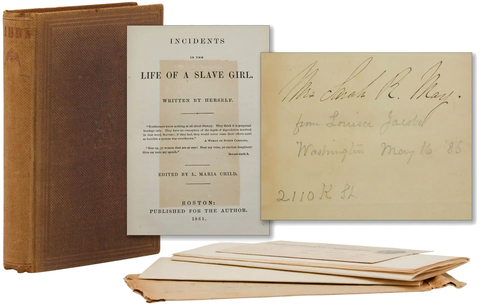
1861
This first-edition copy of Incidents in the Life of a Slave Girl (Boston, 1861) is an exceptional presentation copy given by Harriet Jacobs…
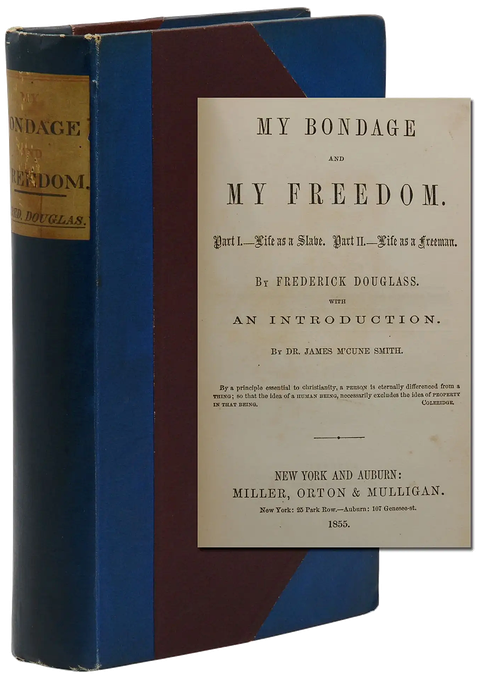
1855
Frederick Douglass’s My Bondage and My Freedom is the landmark second autobiography of America’s most influential abolitionist and orator.…
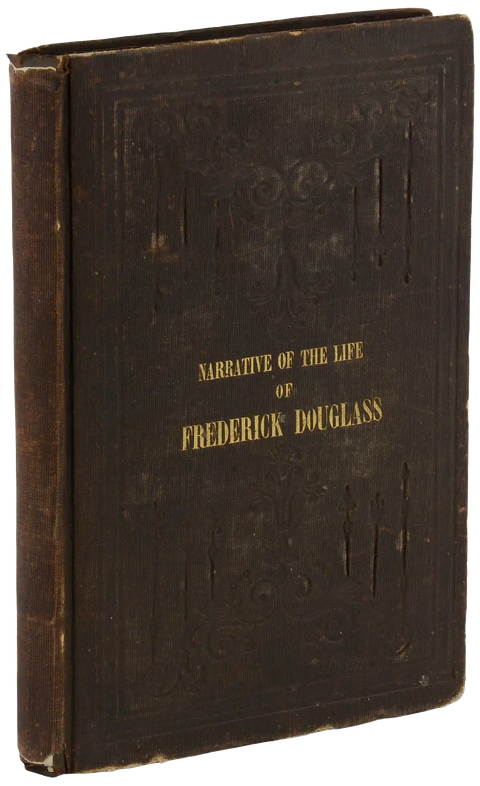
1845
Narrative of the Life of Frederick Douglass is the landmark first edition of Frederick Douglass’s foundational autobiography, published in…