 Black Grail Collection
1968
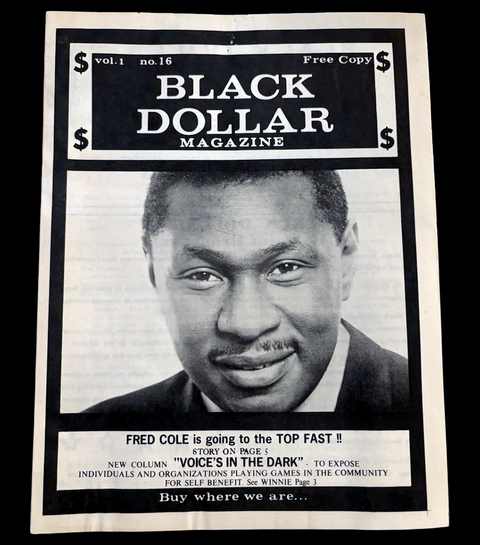
Black Dollar Magazine (1968)
An exceptionally rare surviving issue of Black Dollar Magazine, a Black-owned economic empowerment publication that debuted May 1, 1968 in…
81Rare

All-Negro Comics #1, published in June 1947, introduced pioneering characters such as Lion Man—a college-educated scientist and superhero widely regarded as the first Black superhero in U.S. comics—and Ace Harlem, a detective portrayed with intelligence, dignity, and moral integrity rather than as a stereotype.
By centering Black heroes, positive narratives, and authentic representation, All-Negro Comics #1 broke barriers within the comic book industry, offering Black readers empowering stories and affirming role models at a time when such portrayals were almost nonexistent. It also provided rare professional opportunities for African American writers and artists during an era when mainstream publishers largely excluded them.
The comic was the creation of Orrin Cromwell Evans, a pioneering Black journalist, alongside a team of talented Black artists and writers. Although only one issue was produced—reportedly due to discriminatory distribution practices and resistance from white-owned publishers—its impact endures. All-Negro Comics #1 stands as a lasting symbol of Black creativity, cultural agency, and self-representation in American popular culture and remains a foundational milestone for Black creators in the medium.
All-Negro Comics #1 is historically significant as the first comic book in the United States to be written and illustrated entirely by African American creators, featuring original Black characters in leading roles. This 48-page anthology, published in Philadelphia by Orrin Cromwell Evans—who was also the first Black journalist to cover general assignments for a mainstream white newspaper—represented an unprecedented act of creative independence.
In a period when most depictions of Black characters in comics were derogatory or peripheral, All-Negro Comics provided respectful, multidimensional portrayals centered on pride, intellect, adventure, and community uplift. Evans stated in his introduction that the comic aimed to give Black artists a platform to profit from their talents and to celebrate Black achievement.
Among its standout stories, Lion Man was depicted as a United Nations agent tasked with safeguarding a uranium deposit on Africa’s Gold Coast, while other tales featured detective mysteries, humor, and fantasy—all crafted through the lens of Black cultural identity. Though only a single issue was ever published, largely due to racist barriers in comic distribution, its legacy opened the door for future generations of Black storytellers and remains a cornerstone of African American cultural and publishing history.
Validate this item’s Black Grail Score with verified heritage data
Heritage verification opening soon
Black Grail Collection1968
An exceptionally rare surviving issue of Black Dollar Magazine, a Black-owned economic empowerment publication that debuted May 1, 1968 in…
1988
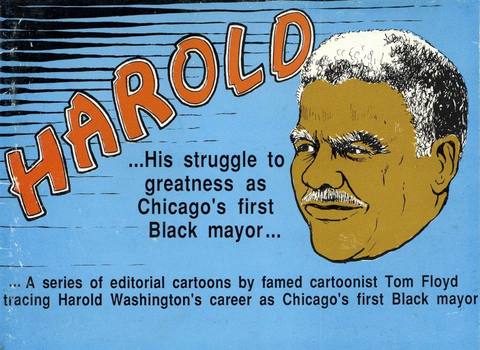
Harold , published in 1988 by Tom Floyd Visuals , is a rare editorial cartoon collection dedicated to chronicling the historic political ca…
 Black Grail Collection
1946
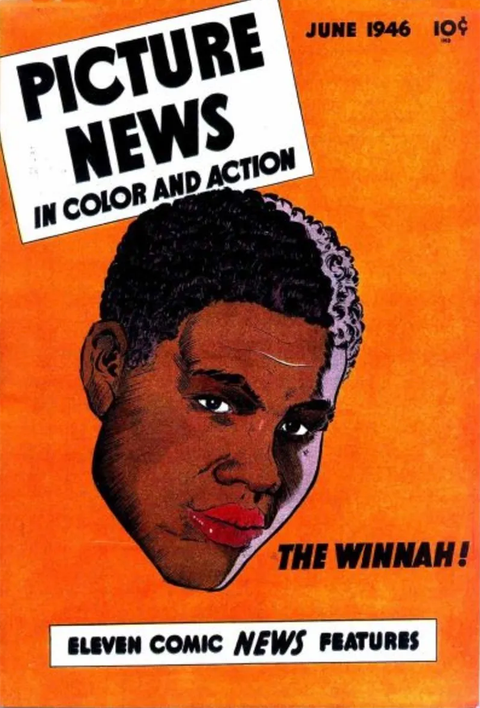
Published in June 1946 by Lafayette Street Corporation, Picture News #6 is a landmark non‑fiction comic that spotlights heavyweight boxing…
 Black Grail Collection
1941
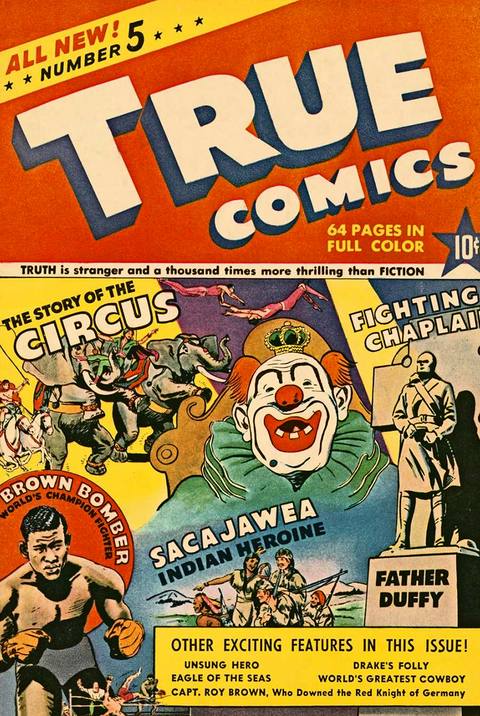
True Comics #5 is a 64-page educational comic published in 1941 by the Parents’ Magazine Institute, best known for mixing nonfiction storie…